
Weatherproof Silicone Sealant: Your Ultimate Sealant Solution for All Weather Conditions
Upload Time:
2024-07-30
Weatherproof Silicone Sealant: Your Ultimate Sealant Solution for All Weather Conditions Table of Contents What is Silicone Sealant? Types of Silicone Sealants Benefits of Weatherproof Silicone Sealant Applications of Weatherproof Silicone Sealant How to Apply Weatherproof Silicone Sealant Common Issues and Solutions with Silicone Sealants Maintenance Tips for Long
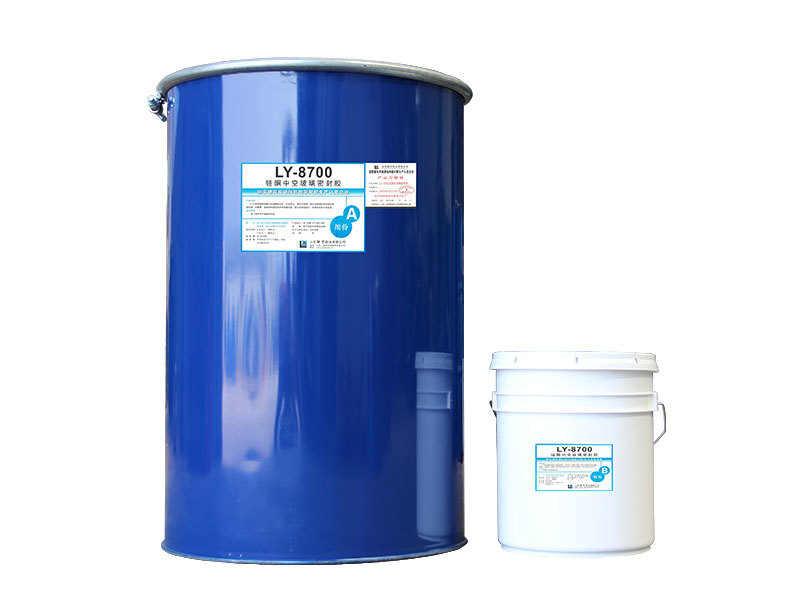
Weatherproof Silicone Sealant: Your Ultimate Sealant Solution for All Weather Conditions
Table of Contents
- What is Silicone Sealant?
- Types of Silicone Sealants
- Benefits of Weatherproof Silicone Sealant
- Applications of Weatherproof Silicone Sealant
- How to Apply Weatherproof Silicone Sealant
- Common Issues and Solutions with Silicone Sealants
- Maintenance Tips for Long-lasting Results
- Frequently Asked Questions
- Conclusion
What is Silicone Sealant?
Silicone sealant is a versatile, flexible compound used for sealing gaps, joints, and surfaces to prevent moisture, air, and dust penetration. Unlike traditional adhesives, silicone sealants are known for their durability, elasticity, and resistance to environmental factors. They bond well to various materials, making them an essential component in construction and DIY projects.
Types of Silicone Sealants
Understanding the different types of silicone sealants is crucial for selecting the right product for your needs. Here are the most common categories:
1. Acetoxy Silicone Sealant
Acetoxy silicone sealant releases acetic acid during curing, making it perfect for non-porous surfaces like glass and tiles. However, it is not suitable for use in enclosed spaces due to its strong odor.
2. Neutral Cure Silicone Sealant
This type of sealant cures without releasing any strong odors, making it ideal for sensitive environments. It is compatible with various materials, including metals and plastics.
3. High-Temperature Silicone Sealant
Designed to withstand extreme temperatures, high-temperature silicone sealants are perfect for applications in automotive and industrial settings.
4. Weatherproof Silicone Sealant
Weatherproof silicone sealants are formulated to resist moisture, UV rays, and temperature changes, ensuring a long-lasting bond in outdoor applications.
Benefits of Weatherproof Silicone Sealant
Choosing weatherproof silicone sealant offers numerous advantages, making it the preferred choice for both professionals and DIY enthusiasts.
1. Superior Durability
Weatherproof silicone sealant maintains its integrity even under the harshest conditions. Its ability to withstand temperature fluctuations and UV exposure ensures that your seal remains intact over time.
2. Exceptional Flexibility
This sealant remains flexible after curing, accommodating building movements and settling without cracking or breaking the seal.
3. Water Resistance
Weatherproof silicone sealant effectively creates a waterproof barrier, preventing leaks and moisture infiltration, which is essential for maintaining structural integrity.
4. Mold and Mildew Resistance
Many weatherproof silicone sealants contain additives that inhibit mold and mildew growth, providing a clean and safe environment.
5. Easy Application
The application process is straightforward, requiring minimal tools. Most products come in convenient tubes, allowing users to apply the sealant precisely where needed.
Applications of Weatherproof Silicone Sealant
The versatility of weatherproof silicone sealants makes them suitable for various applications:
1. Construction and Remodeling
Weatherproof silicone sealants are commonly used in construction for sealing windows, doors, and roofing to ensure a watertight seal.
2. Automotive
In the automotive industry, silicone sealants are used to seal windshields, roofs, and other components to prevent water leaks.
3. Plumbing
These sealants are ideal for plumbing applications, providing a reliable seal on pipes, fittings, and fixtures, thus preventing leaks.
4. Electronics
In electronics, weatherproof silicone sealants protect sensitive components from moisture and dust, ensuring their longevity and performance.
5. Marine Applications
Weatherproof silicone sealants are widely used in marine applications for sealing boat hulls and fittings, providing a reliable waterproof barrier.
How to Apply Weatherproof Silicone Sealant
Applying weatherproof silicone sealant correctly is essential for achieving optimal results. Follow these steps for application:
1. Surface Preparation
Ensure the surfaces to be sealed are clean, dry, and free from dust, grease, or old sealant. Use a suitable cleaner if necessary to prepare the surfaces.
2. Choose the Right Caulking Gun
Using a quality caulking gun will allow for even and controlled application. Cut the tip of the sealant tube at a 45-degree angle to ensure an optimal bead size.
3. Apply the Sealant
Hold the caulking gun at a 45-degree angle and apply a continuous bead of sealant along the joint or gap. Ensure consistency for a professional finish.
4. Smooth the Sealant
Use a caulk smoothing tool or your finger to smooth the sealant bead, ensuring it adheres well to the surfaces and provides a clean appearance.
5. Allow for Curing
Allow the sealant to cure as per the manufacturer’s instructions before exposing it to moisture or stress. This will ensure the best performance of the sealant.
Common Issues and Solutions with Silicone Sealants
While weatherproof silicone sealants are effective, users may encounter a few common issues:
1. Poor Adhesion
If the sealant doesn’t adhere well, ensure the surfaces are clean and dry before application. Consider using a primer if necessary.
2. Cracking or Breaking Seal
This may occur due to improper application or extreme temperature fluctuations. Choose a high-quality sealant specifically designed for such conditions.
3. Mold Growth
If mold appears, it may be due to insufficient ventilation. Ensure proper airflow in areas where the sealant is applied and consider using a mold-resistant product.
Maintenance Tips for Long-lasting Results
To ensure your weatherproof silicone sealant performs effectively over time, follow these maintenance tips:
1. Regular Inspections
Check seals periodically for signs of wear, cracking, or mold growth. Early detection can prevent more extensive damage.
2. Clean Gaps and Joints
Keep areas around seals clean and debris-free to maintain their integrity. Use non-abrasive cleaners to avoid damaging the sealant.
3. Reapply as Needed
When you notice deterioration, reapply the sealant to ensure continued protection against the elements.
Frequently Asked Questions
1. Can I paint over weatherproof silicone sealant?
Yes, some weatherproof silicone sealants are paintable. However, check the manufacturer’s guidelines before proceeding.
2. How long does it take for silicone sealant to cure?
Curing time varies by product, but most weatherproof silicone sealants cure within 24 hours. Full adhesion may take longer.
3. Is silicone sealant waterproof?
Yes, weatherproof silicone sealants provide a waterproof barrier, making them ideal for both interior and exterior applications.
4. Can I use silicone sealant in high-temperature areas?
For high-temperature applications, choose a high-temperature silicone sealant specifically designed for that purpose.
5. What surfaces can silicone sealant bond to?
Silicone sealants bond well to various surfaces, including glass, metal, plastic, wood, and tile, depending on the product.
Conclusion
Weatherproof silicone sealant stands out as a reliable sealing solution for various applications, from construction to automotive and beyond. Its exceptional durability, flexibility, and weather resistance make it the ultimate choice for anyone looking to create long-lasting, watertight seals. Understanding the different types, benefits, and application techniques will empower you to make informed decisions and achieve professional results. Whether you are a seasoned professional or a DIY enthusiast, investing in weatherproof silicone sealant is a step towards ensuring the integrity and longevity of your projects.
Relevant News

ADD:Shandong province Linqu County East Industrial park.
Service Hotline: +86-186-6068-7979
E-mail:zhangwei@ly-siliconesealant.com
WEBSITE:https://www.shandonglianyu.com
Copyright © Shandong Lianyu Adhesive Industry Co., Ltd.