
Mastering the Adhesive Arts: The Ultimate Guide to Two Component Silicone Sealant
Upload Time:
2024-08-01
Mastering the Adhesive Arts: The Ultimate Guide to Two Component Silicone Sealant Table of Contents 1. Introduction to Two Component Silicone Sealant 2. What is Two Component Silicone Sealant? 3. Key Benefits of Using Two Component Silicone Sealant 3.1 Exceptional Bonding Strength 3.2 Temperature Resistance 3.3 Flexibility and Durability 4. Applications of Two Component Silicone Sealant 4.1 Automo
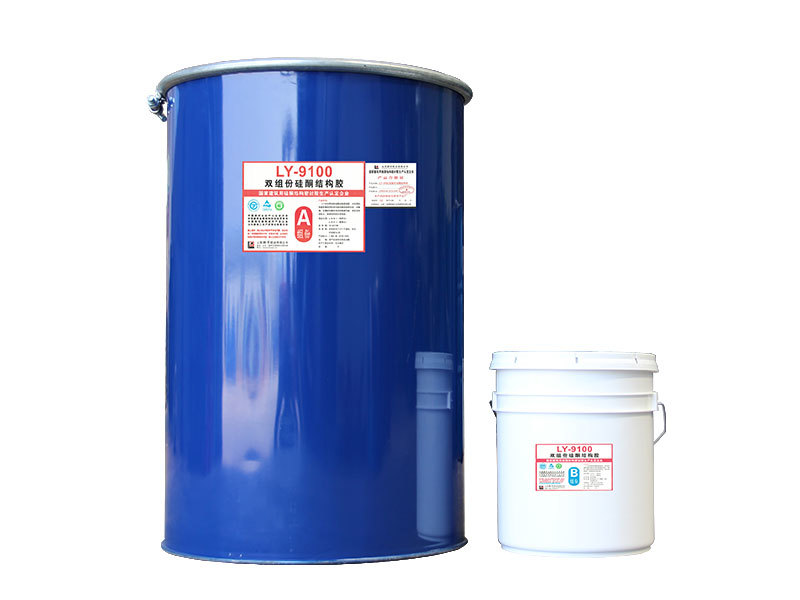
Mastering the Adhesive Arts: The Ultimate Guide to Two Component Silicone Sealant
Table of Contents
1. Introduction to Two Component Silicone Sealant
2. What is Two Component Silicone Sealant?
3. Key Benefits of Using Two Component Silicone Sealant
3.1 Exceptional Bonding Strength
3.2 Temperature Resistance
3.3 Flexibility and Durability
4. Applications of Two Component Silicone Sealant
4.1 Automotive Industry
4.2 Construction Applications
4.3 Electronics and Electrical Applications
5. How to Use Two Component Silicone Sealant Effectively
5.1 Surface Preparation
5.2 Mixing and Application Techniques
6. Safety Precautions When Using Two Component Silicone Sealant
7. Frequently Asked Questions (FAQs)
8. Conclusion: Elevate Your Adhesive Skills with Two Component Silicone Sealant
1. Introduction to Two Component Silicone Sealant
In the world of adhesives, two-component silicone sealants stand out as highly effective solutions for various bonding and sealing needs. These products are designed to deliver superior performance in demanding environments, making them essential for both industrial applications and consumer use. This guide delves into the nuances of two-component silicone sealants, exploring their characteristics, advantages, and best practices for use.
2. What is Two Component Silicone Sealant?
Two-component silicone sealants consist of two separate parts: a base and a curing agent. When mixed, these components undergo a chemical reaction that results in a strong, flexible bond. This sealant type is particularly favored for its ability to withstand harsh conditions, making it suitable for various applications across multiple industries. The versatility and performance of two-component silicone sealants make them a popular choice among professionals.
3. Key Benefits of Using Two Component Silicone Sealant
3.1 Exceptional Bonding Strength
One of the standout features of two-component silicone sealants is their exceptional bonding strength. They adhere well to a wide range of substrates, including metals, glass, ceramics, and plastics. This characteristic makes them ideal for applications requiring high-performance bonding.
3.2 Temperature Resistance
Two-component silicone sealants are engineered to endure extreme temperatures, ranging from low to high. This thermal stability allows them to maintain their integrity in environments that experience significant temperature fluctuations, making them suitable for outdoor and industrial applications.
3.3 Flexibility and Durability
The flexibility of two-component silicone sealants is another critical benefit. They can accommodate movement without cracking or losing adhesion, which is essential in dynamic environments. Additionally, their durability ensures a long-lasting bond, reducing the need for frequent repairs or replacements.
4. Applications of Two Component Silicone Sealant
4.1 Automotive Industry
In the automotive industry, two-component silicone sealants are widely used for bonding and sealing various components, including windshields, headlights, and engine parts. Their ability to withstand vibration, moisture, and temperature changes makes them ideal for automotive applications.
4.2 Construction Applications
The construction sector benefits significantly from the use of two-component silicone sealants in sealing joints, gaps, and cracks in buildings. They provide long-lasting protection against water infiltration and are commonly used in curtain walls and façades.
4.3 Electronics and Electrical Applications
Two-component silicone sealants are also popular in electronics, where they serve as encapsulants and adhesives for components. Their electrical insulation properties and resistance to moisture make them valuable in ensuring device longevity.
5. How to Use Two Component Silicone Sealant Effectively
5.1 Surface Preparation
Effective use of two-component silicone sealant begins with proper surface preparation. Ensure that the surfaces to be bonded are clean, dry, and free of contaminants. Use solvents or cleaners designed for the specific materials you are working with to achieve optimal adhesion.
5.2 Mixing and Application Techniques
Follow the manufacturer's instructions for mixing the base and curing agent. Typically, a specific ratio must be maintained to ensure proper curing and performance. Use a caulking gun or similar applicator to apply the sealant, ensuring an even bead. Allow adequate curing time based on product specifications.
6. Safety Precautions When Using Two Component Silicone Sealant
When working with two-component silicone sealants, safety should be a priority. Always wear appropriate personal protective equipment (PPE), including gloves and eye protection. Work in a well-ventilated area to minimize inhalation of fumes. Follow the manufacturer’s safety guidelines to ensure a safe working environment.
7. Frequently Asked Questions (FAQs)
What is the curing time for two-component silicone sealants?
Curing time varies based on the specific product and environmental conditions. Generally, initial curing can take a few hours, but full cure may take several days.
Can two-component silicone sealants be painted?
Most two-component silicone sealants are not paintable; however, some manufacturers offer paintable options. Always check product specifications.
What substrates work best with two-component silicone sealants?
They adhere well to various substrates, including glass, metal, plastics, and ceramics. Always refer to the manufacturer's guidelines for compatibility.
How do I store two-component silicone sealants?
Store in a cool, dry place, away from direct sunlight. Ensure that the containers are tightly sealed to prevent contamination.
Are there specific cleaning techniques for excess sealant?
Excess sealant can be removed using solvents recommended by the manufacturer. Always test on a small area first to avoid damaging surfaces.
8. Conclusion: Elevate Your Adhesive Skills with Two Component Silicone Sealant
Two-component silicone sealants represent a pinnacle of adhesive technology, offering unmatched performance in a variety of applications. Their exceptional bonding strength, temperature resistance, and flexibility make them indispensable in numerous fields, from automotive to construction. By mastering the use of these sealants, you can enhance the quality and durability of your projects. Whether you are a professional or a DIY enthusiast, understanding the ins and outs of two-component silicone sealants will undoubtedly elevate your adhesive skills to new heights.
Relevant News

ADD:Shandong province Linqu County East Industrial park.
Service Hotline: +86-186-6068-7979
E-mail:zhangwei@ly-siliconesealant.com
WEBSITE:https://www.shandonglianyu.com
Copyright © Shandong Lianyu Adhesive Industry Co., Ltd.