
Quality Craftsmanship with Two Component Silicone Sealant: The Ultimate Guide
Upload Time:
2024-08-03
Quality Craftsmanship with Two Component Silicone Sealant: The Ultimate Guide Table of Contents 1. Introduction to Two Component Silicone Sealants 2. Understanding Silicone Sealants 3. Benefits of Using Two Component Silicone Sealants 4. How to Use Two Component Silicone Sealant Effectively 5. Common Applications for Two Component Silicone Sealants 6. Techniques for Achiev
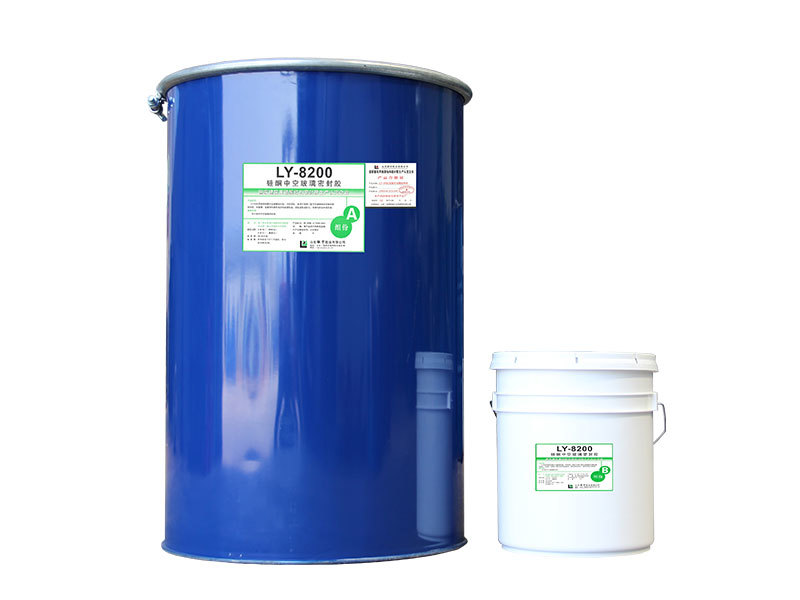
Quality Craftsmanship with Two Component Silicone Sealant: The Ultimate Guide
Table of Contents
- 1. Introduction to Two Component Silicone Sealants
- 2. Understanding Silicone Sealants
- 3. Benefits of Using Two Component Silicone Sealants
- 4. How to Use Two Component Silicone Sealant Effectively
- 5. Common Applications for Two Component Silicone Sealants
- 6. Techniques for Achieving Quality Craftsmanship
- 7. Maintenance and Care for Silicone Sealants
- 8. Frequently Asked Questions
- 9. Conclusion
1. Introduction to Two Component Silicone Sealants
Two component silicone sealants are specifically engineered products that combine two parts – a base and a curing agent. This combination results in a highly resilient sealant that can withstand extreme temperatures, moisture, and various environmental factors. Understanding the intricacies of these sealants is crucial for professionals and DIY enthusiasts aiming to enhance their craftsmanship in construction, automotive, and other applications.
2. Understanding Silicone Sealants
Silicone sealants are synthetic elastomers known for their excellent adhesion, flexibility, and durability. They are widely used in sealing and bonding applications due to their ability to form a watertight and airtight seal. Two component silicone sealants differ from one-component sealants because they require a catalyst for curing, which often results in superior performance characteristics.
2.1 Composition of Two Component Silicone Sealants
These sealants are typically composed of silicone polymers that provide flexibility and durability, along with various additives that enhance their performance such as adhesion promoters and curing agents. The two components must be mixed in precise ratios to achieve the desired properties.
2.2 Curing Process
The curing process of two component silicone sealants begins once the two parts are mixed. As the curing agent reacts with the silicone base, heat is generated, and the mixture transitions from a viscous liquid to a solid state. This chemical reaction results in a strong, durable, and elastic bond.
3. Benefits of Using Two Component Silicone Sealants
The advantages of two component silicone sealants extend beyond mere functionality. They provide a range of benefits that make them ideal for a variety of applications.
3.1 Superior Adhesion and Durability
One of the primary benefits of two component silicone sealants is their exceptional adhesion to various substrates, including metal, glass, and plastics. This ensures long-lasting performance, reducing the need for frequent repairs and replacements.
3.2 Resistance to Environmental Factors
These sealants exhibit remarkable resistance to UV radiation, extreme temperatures, and moisture. This makes them suitable for both indoor and outdoor applications, providing reliable performance in harsh environments.
3.3 Enhanced Flexibility
Two component silicone sealants maintain flexibility even after curing, allowing them to withstand movement and vibrations without cracking or losing adhesion. This characteristic is particularly beneficial in construction applications where structural shifts can occur.
4. How to Use Two Component Silicone Sealant Effectively
To achieve the best results with two component silicone sealants, proper application techniques are essential.
4.1 Preparation of Surfaces
Before applying the sealant, it is crucial to ensure that the surfaces are clean, dry, and free from contaminants such as dust, grease, and moisture. This will optimize adhesion and ensure a strong bond.
4.2 Mixing the Components
Accurate mixing of the two components is vital. Follow the manufacturer's instructions for the correct mixing ratio and method. Use a clean container and stir thoroughly to achieve a uniform mixture.
4.3 Application Techniques
Using a caulking gun or a suitable applicator, apply the mixture evenly to the desired area. Ensure that the sealant fills any gaps or joints appropriately, and smoothen it with a spatula or your finger for a neat finish.
4.4 Curing Time and Conditions
Allow the sealant to cure as per the manufacturer’s guidelines. Ensure proper ventilation and avoid exposure to moisture during the curing period to achieve optimal results.
5. Common Applications for Two Component Silicone Sealants
The versatility of two component silicone sealants allows for a wide range of applications across various industries.
5.1 Construction Industry
In the construction industry, these sealants are frequently used for sealing joints in buildings, windows, and doors. Their durability and flexibility make them ideal for ensuring airtight and watertight seals.
5.2 Automotive Industry
Two component silicone sealants are utilized in automotive manufacturing for bonding and sealing components. Their resistance to heat and vibration is crucial for maintaining vehicle integrity.
5.3 Electronics
In electronics, these sealants protect sensitive components from moisture and dust, enhancing the longevity and reliability of devices.
6. Techniques for Achieving Quality Craftsmanship
Quality craftsmanship is not just about the materials used, but also the techniques employed in the application of two component silicone sealants.
6.1 Training and Skill Development
Investing time in training and skill development can significantly enhance the quality of work. Understanding the nuances of silicone sealants allows for better application techniques that result in superior finishes.
6.2 Attention to Detail
Paying attention to detail during preparation and application can make a substantial difference. Ensuring clean surfaces and precise application will lead to a more professional appearance and improved performance.
6.3 Regular Assessment and Feedback
Regularly assessing completed projects and seeking feedback from peers can help identify areas for improvement. This continuous learning process is vital for achieving high standards in craftsmanship.
7. Maintenance and Care for Silicone Sealants
Proper maintenance of silicone sealants ensures their longevity and effectiveness.
7.1 Regular Inspections
Conduct regular inspections of sealed areas to identify any signs of wear, damage, or degradation. Early detection allows for timely repairs, preventing further issues.
7.2 Cleaning Techniques
Cleaning the surfaces around silicone seals can help maintain their appearance and performance. Use gentle cleaning agents that do not damage the sealant, and avoid abrasive tools.
7.3 Replacement Considerations
If a sealant shows signs of failure, timely replacement is crucial. Remove the old sealant carefully, clean the surface, and apply a fresh layer of two component silicone sealant as needed.
8. Frequently Asked Questions
8.1 What is the difference between one-component and two-component silicone sealants?
One-component sealants cure through moisture in the air, while two-component sealants require mixing two parts to activate the curing process.
8.2 Can two component silicone sealants be painted?
While some two component silicone sealants can be painted, it is essential to check the manufacturer's specifications as not all sealants are paintable.
8.3 How long does it take for two component silicone sealants to cure?
Curing time varies depending on the specific product, but most two component silicone sealants can take anywhere from a few hours to a full day to cure completely.
8.4 Are two component silicone sealants resistant to chemicals?
Yes, many two component silicone sealants are designed to withstand exposure to various chemicals, making them suitable for industrial applications.
8.5 Can I use two component silicone sealants in underwater applications?
Certain two component silicone sealants are formulated for underwater use; however, always verify with the manufacturer to ensure compatibility.
9. Conclusion
Two component silicone sealants offer a unique combination of durability, flexibility, and resistance to environmental factors. By understanding their properties and application techniques, we can achieve quality craftsmanship in our projects. Whether in construction, automotive, or electronics, these sealants prove to be invaluable tools for any professional or DIY enthusiast. With proper care and maintenance, they will ensure long-lasting results and enhance the integrity of various applications. Embrace the power of two component silicone sealants and elevate your craftsmanship to new heights.
Relevant News

ADD:Shandong province Linqu County East Industrial park.
Service Hotline: +86-186-6068-7979
E-mail:zhangwei@ly-siliconesealant.com
WEBSITE:https://www.shandonglianyu.com
Copyright © Shandong Lianyu Adhesive Industry Co., Ltd.