
The Ultimate Guide to Acrylic Caulking Sealant: Benefits, Uses, and Tips
Upload Time:
2024-08-06
Acrylic caulking sealant is a versatile product widely used in various applications within construction and home improvement projects. Known for its ease of use, acrylic sealants provide a reliable solution for sealing gaps, cracks, and joints in both interior and exterior settings. This guide explores the benefits, uses, and application tips for acrylic caulking sealant, making it an essential ad
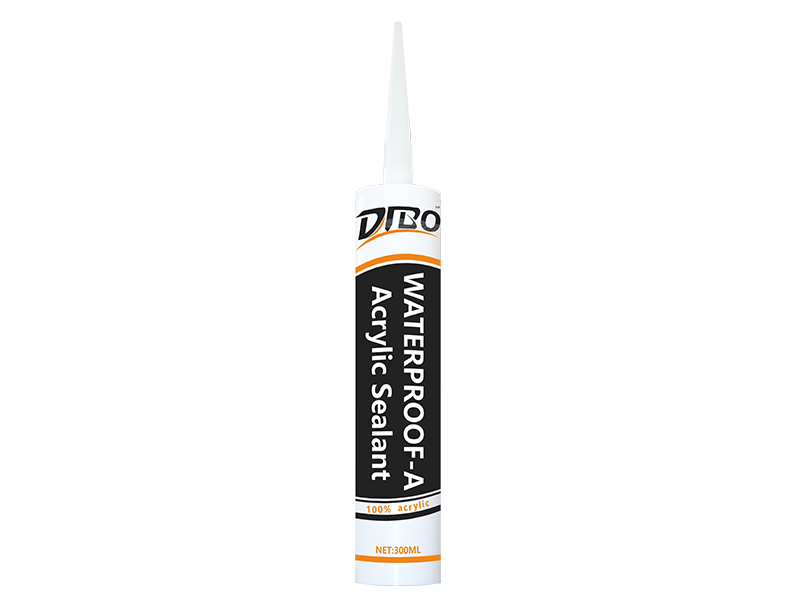
Acrylic caulking sealant is a versatile product widely used in various applications within construction and home improvement projects. Known for its ease of use, acrylic sealants provide a reliable solution for sealing gaps, cracks, and joints in both interior and exterior settings. This guide explores the benefits, uses, and application tips for acrylic caulking sealant, making it an essential addition to your toolkit.
One of the primary benefits of acrylic caulking sealant is its water-based formulation, which allows for easy cleanup with soap and water before it dries. This characteristic makes it user-friendly, especially for DIY enthusiasts. Additionally, acrylic sealants are paintable, meaning you can easily cover them with a coat of paint to match your surfaces, enabling seamless finishes in any project.
Acrylic caulking sealant is ideal for a range of applications, including sealing windows and doors, filling gaps around baseboards, and repairing cracks in drywall. It is particularly effective for use in areas that experience minimal movement, as it maintains flexibility while providing a durable seal. When using this type of sealant in outdoor environments, it is crucial to choose a product specifically formulated for exterior use to ensure it withstands the elements.
When applying acrylic caulking sealant, preparation is key. Start by cleaning the surface where the caulk will be applied, removing any dust, dirt, or old sealant. This ensures the new caulk adheres properly. Use a caulking gun for precise application, and cut the nozzle at a 45-degree angle to allow for better control. Apply the sealant smoothly, filling the gap completely but avoiding excess application. A smooth finish can be achieved by running your finger or a caulking tool along the seam to level the surface.
Drying times for acrylic caulking sealant can vary depending on factors such as thickness and environmental conditions. Generally, it becomes tack-free within 30 minutes and can be painted over after a few hours. However, full curing may take several days, so it's advisable to allow sufficient time before exposing the sealant to heavy moisture or stress.
In summary, acrylic caulking sealant is a practical and effective solution for a wide range of sealing applications. Its ease of use and versatility make it an essential product for both professionals and DIY enthusiasts. By following proper application techniques and choosing the right type for your project, you can achieve lasting results that enhance the integrity and appearance of your spaces.
Relevant News

ADD:Shandong province Linqu County East Industrial park.
Service Hotline: +86-186-6068-7979
E-mail:zhangwei@ly-siliconesealant.com
WEBSITE:https://www.shandonglianyu.com
Copyright © Shandong Lianyu Adhesive Industry Co., Ltd.