
Sealant Quality Control: Ensuring Consistent Performance of Acetic Silicone Sealant
Upload Time:
2024-04-30
# Introduction Sealants play a crucial role in various industries, from construction to automotive, providing protection against environmental elements, preventing leaks, and ensuring structural integrity. Among the different types of sealants available, acetic silicone sealants are known for their versatility, durability, and resistance to weathering. However, to ensure consistent performance and
# Introduction
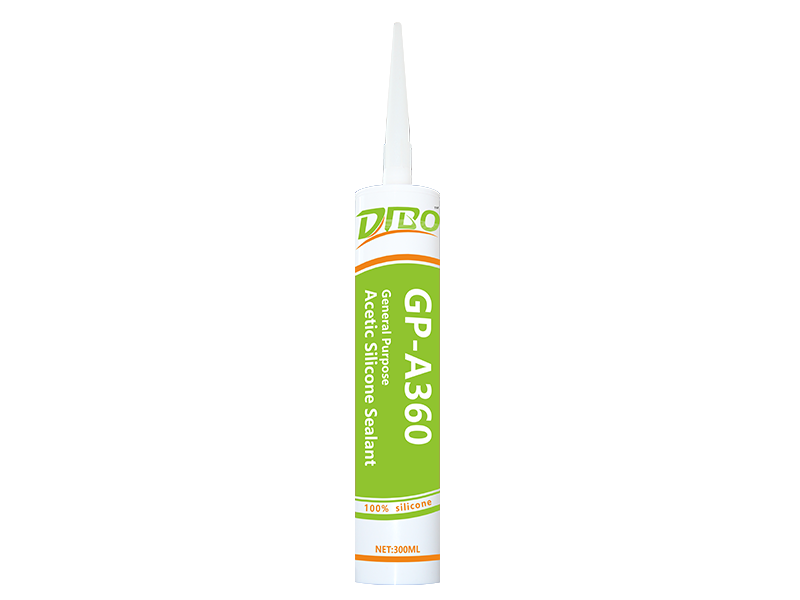
Sealants play a crucial role in various industries, from construction to automotive, providing protection against environmental elements, preventing leaks, and ensuring structural integrity. Among the different types of sealants available, acetic silicone sealants are known for their versatility, durability, and resistance to weathering. However, to ensure consistent performance and quality, it is essential to implement rigorous quality control measures throughout the manufacturing process.
## What is Acetic Silicone Sealant?
Acetic silicone sealant, also known as acid-cure silicone sealant, is a type of sealant that cures by releasing acetic acid during the curing process. This type of sealant is commonly used for sealing joints in windows, doors, and other construction applications due to its excellent adhesion and weather resistance properties.
## Importance of Quality Control in Sealant Manufacturing
Quality control is essential in sealant manufacturing to ensure that the final product meets the required specifications and performance standards. By implementing quality control measures, manufacturers can identify and rectify any defects or inconsistencies in the production process, thereby ensuring the reliability and performance of the sealant in real-world applications.
## Factors Affecting Sealant Quality
Several factors can influence the quality of acetic silicone sealants, including raw materials, manufacturing processes, curing conditions, and storage. By carefully monitoring and controlling these factors, manufacturers can produce high-quality sealants that meet the desired performance criteria.
## Quality Control Measures for Acetic Silicone Sealants
To ensure the consistent performance of acetic silicone sealants, manufacturers must implement the following quality control measures:
### Raw Material Inspection
Before production begins, all raw materials used in the sealant formulation must undergo thorough inspection to ensure quality and consistency. This includes checking the purity, chemical composition, and physical properties of each raw material to avoid any potential issues during the manufacturing process.
### Batch Testing
During the production process, samples from each batch of sealant must be tested for various properties, such as adhesion strength, flexibility, and curing time. This allows manufacturers to identify any deviations from the desired specifications and take corrective actions to maintain product consistency.
### In-process Quality Control
Continuous monitoring of the manufacturing process is essential to detect any anomalies or deviations in the production line. By conducting regular checks and inspections, manufacturers can identify and address potential issues before they impact the quality of the final product.
### Performance Testing
After the sealant has been manufactured, it must undergo rigorous performance testing to assess its adhesion, weather resistance, durability, and other critical properties. This testing ensures that the sealant meets the required performance standards and can withstand the intended applications.
### Storage and Handling
Proper storage and handling of acetic silicone sealants are crucial to maintaining their quality and performance. Sealants should be stored in a cool, dry place away from direct sunlight and extreme temperatures to prevent premature curing and degradation.
# FAQs
1. What are the key properties of acetic silicone sealants?
Acetic silicone sealants are known for their excellent adhesion, weather resistance, flexibility, and durability.
2. How can manufacturers ensure the quality of acetic silicone sealants?
By implementing quality control measures such as raw material inspection, batch testing, in-process monitoring, performance testing, and proper storage and handling.
3. What are the common applications of acetic silicone sealants?
Acetic silicone sealants are commonly used for sealing joints in windows, doors, bathrooms, kitchens, and other construction applications.
4. How long does it take for acetic silicone sealants to cure?
The curing time of acetic silicone sealants can vary depending on the formulation and environmental conditions but typically ranges from 24 to 48 hours.
5. What are the potential issues that can affect the quality of acetic silicone sealants?
Issues such as improper curing, contamination, inadequate mixing, and poor storage conditions can affect the quality and performance of acetic silicone sealants.
# Conclusion
In conclusion, proper quality control measures are essential to ensuring the consistent performance of acetic silicone sealants in various applications. By implementing stringent quality control processes throughout the manufacturing process, manufacturers can produce high-quality sealants that meet the required performance standards and provide long-lasting protection against environmental elements. By adhering to best practices in quality control, manufacturers can guarantee the reliability and durability of acetic silicone sealants for years to come.
Relevant News

ADD:Shandong province Linqu County East Industrial park.
Service Hotline: +86-186-6068-7979
E-mail:zhangwei@ly-siliconesealant.com
WEBSITE:https://www.shandonglianyu.com
Copyright © Shandong Lianyu Adhesive Industry Co., Ltd.