
The Ultimate Guide to Choosing a Neutral Silicone Structural Adhesive
Upload Time:
2024-10-30
The Ultimate Guide to Choosing a Neutral Silicone Structural Adhesive When it comes to bonding materials, a reliable adhesive is crucial for ensuring structural integrity and longevity. Among the various types of adhesives available, neutral silicone structural adhesives have gained popularity due to their versatility and strong performance in a wide range of applications. This guide aims to provi
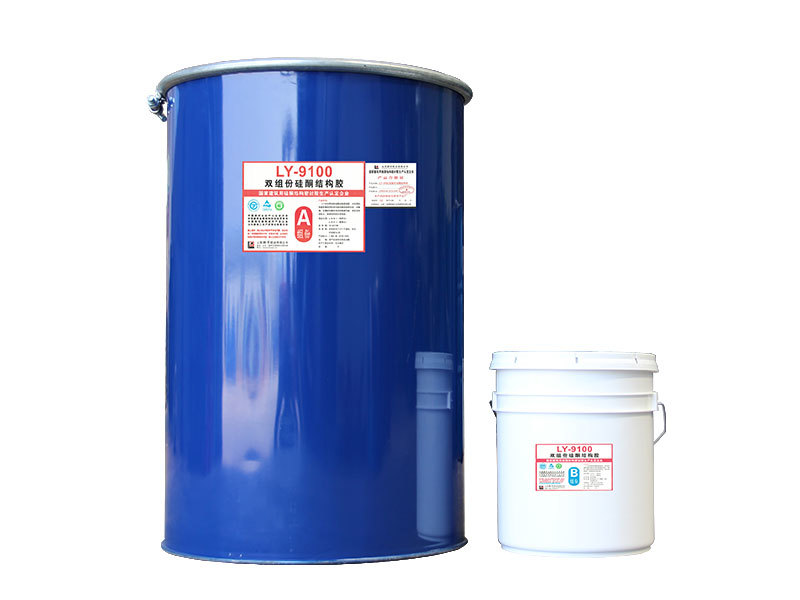
The Ultimate Guide to Choosing a Neutral Silicone Structural Adhesive
When it comes to bonding materials, a reliable adhesive is crucial for ensuring structural integrity and longevity. Among the various types of adhesives available, neutral silicone structural adhesives have gained popularity due to their versatility and strong performance in a wide range of applications. This guide aims to provide you with a complete understanding of neutral silicone structural adhesives and how to choose the right one for your needs.
Table of Contents
- What is a Neutral Silicone Structural Adhesive?
- Benefits of Using Neutral Silicone Adhesives
- When to Use Neutral Silicone Structural Adhesives
- Key Features to Consider When Choosing
- Application Techniques for Neutral Silicone Adhesives
- Common Applications of Neutral Silicone Adhesives
- Troubleshooting Common Adhesive Issues
- Frequently Asked Questions
What is a Neutral Silicone Structural Adhesive?
Neutral silicone structural adhesive is a type of sealant known for its flexibility, durability, and resistance to environmental factors. Unlike acetoxy silicone adhesives, neutral silicone formulations do not release corrosive byproducts during curing, making them suitable for sensitive materials such as metal, glass, and plastic. This characteristic enhances their applicability in various industries, including construction, automotive, and manufacturing.
Benefits of Using Neutral Silicone Adhesives
Neutral silicone structural adhesives offer numerous advantages that make them an ideal choice for bonding and sealing. Here are some of the key benefits:
1. Excellent Adhesion Properties
Neutral silicone adhesives bond well to a variety of substrates, including wood, metal, glass, and ceramics. This versatility means that they can be used in numerous applications without the need for specialized products.
2. Weather Resistance
Neutral silicone adhesives are highly resistant to UV rays, moisture, and temperature fluctuations. This weather resistance ensures that bonds remain intact and effective over time, even in harsh outdoor environments.
3. Flexibility and Elasticity
One of the standout features of neutral silicone adhesives is their ability to retain flexibility after curing. This property allows for movement between bonded surfaces, making them ideal for applications where thermal expansion or contraction occurs.
4. Low Odor and Non-Corrosive
Unlike other adhesive types, neutral silicone adhesives emit low levels of odor and do not release harmful fumes during curing. This makes them safer for both users and the environment.
When to Use Neutral Silicone Structural Adhesives
Neutral silicone structural adhesives are suitable for a wide range of applications. Here are some scenarios in which they are particularly effective:
1. Construction and Building
In the construction industry, neutral silicone adhesives are often used for sealing joints, glazing, and weatherproofing. Their strong adhesion to various materials makes them essential for both interior and exterior applications.
2. Automotive Industry
Neutral silicone adhesives are commonly used in the automotive sector for bonding windshields, components, and other structural parts. Their ability to withstand vibrations and temperature changes is vital in a vehicle's performance.
3. Electronics and Electrical Applications
These adhesives are used in electronics assembly to bond components and seal enclosures. Their non-corrosive nature makes them safe for sensitive electronic parts.
4. HVAC Applications
Neutral silicone adhesives provide effective sealing for HVAC systems, ensuring energy efficiency and preventing air leaks. They can be used to bond ductwork and seal joints in various HVAC applications.
Key Features to Consider When Choosing
Choosing the right neutral silicone structural adhesive requires careful consideration of several key features:
1. Cure Time
Different products have varying cure times. It's essential to select an adhesive that meets your project timeline, whether you need a quick cure or a longer working time for more complex applications.
2. Temperature Resistance
Evaluate the temperature range the adhesive can withstand after curing. This feature is critical for applications exposed to extreme heat or cold.
3. Adhesion Strength
Look for technical data sheets that provide information on the adhesive's tensile and shear strength. This data will help you determine if it can handle the demands of your specific application.
4. Color and Finish
Neutral silicone adhesives come in various colors. Choose one that best fits your aesthetic requirements, especially for applications where visibility is a concern.
5. Packaging and Shelf Life
Consider the packaging options and the adhesive's shelf life. Some products may come in cartridges, tubes, or pails, so select one that best suits your working conditions.
Application Techniques for Neutral Silicone Adhesives
Applying neutral silicone structural adhesives requires careful techniques to ensure optimal results. Here are some steps and tips to follow:
1. Surface Preparation
Ensure that all surfaces to be bonded are clean, dry, and free of contaminants such as dust, dirt, and grease. This preparation is vital for achieving a strong bond.
2. Application Method
Use a caulking gun for cartridges or tubes to apply the adhesive evenly. For larger projects, bulk dispensing systems may be more efficient.
3. Joint Design
Consider the design of the joint or assembly. Ensure that the adhesive fills the joint adequately while allowing for some movement if needed.
4. Tooling
After application, tooling can help smooth the adhesive and ensure complete contact with the surfaces. Use a spatula or your finger to create a clean, finished look.
5. Curing Time
Allow the adhesive to cure fully before subjecting it to stress. Follow the manufacturer’s instructions for curing times and conditions.
Common Applications of Neutral Silicone Adhesives
Neutral silicone structural adhesives are used in various applications across different industries. Here are some common examples:
1. Window and Door Installation
These adhesives are often utilized during the installation of windows and doors, providing a strong seal against water and air infiltration.
2. Panel Bonding
Neutral silicone adhesives are ideal for bonding panels in construction, offering a seamless, durable connection that maintains structural integrity.
3. Marine Applications
In the marine industry, neutral silicone adhesives are used for sealing joints and bonding components, thanks to their resistance to moisture and UV exposure.
4. Signage and Displays
These adhesives are suitable for assembling signs and displays, providing a clean aesthetic without visible fasteners.
Troubleshooting Common Adhesive Issues
Even with careful application, adhesive issues may arise. Here are some common problems and their solutions:
1. Poor Adhesion
If the adhesive fails to bond effectively, check for proper surface preparation. Contaminants or moisture can hinder adhesion.
2. Incomplete Cure
Ensure that the adhesive is not exposed to excessive humidity or low temperatures during the curing process, as these factors can extend curing times.
3. Discoloration
If discoloration occurs, it may result from exposure to UV light or chemical contaminants. Select a UV-resistant formula for outdoor applications.
4. Shrinkage or Movement
Monitor temperature fluctuations in applications. Selecting an adhesive with appropriate flexibility can minimize issues related to shrinkage or movement.
Frequently Asked Questions
1. How long does it take for neutral silicone structural adhesive to cure?
The cure time can vary based on the product and environmental conditions. Generally, it ranges from 24 hours to several days for full cure.
2. Can neutral silicone adhesives be painted over?
Most neutral silicone adhesives are not paintable. If painting is required, choose an adhesive specifically designed for paint compatibility.
3. Are neutral silicone adhesives safe for food contact?
Most neutral silicone adhesives are not FDA-approved for food contact applications. Always check the manufacturer's specifications for food safety.
4. Can I use neutral silicone adhesives in high-temperature environments?
Yes, but check the adhesive’s specifications for its maximum temperature resistance to ensure it meets your needs.
5. How should I store unopened adhesive products?
Store unopened products in a cool, dry place away from direct sunlight, following the manufacturer's guidelines for optimal shelf life.
Conclusion
Choosing the right neutral silicone structural adhesive is essential for ensuring the success of your bonding and sealing projects. By understanding the unique properties, benefits, and applications of these adhesives, you can make informed decisions that lead to durable and effective results. Whether you are involved in construction, automotive manufacturing, or electronics assembly, neutral silicone adhesives offer versatility and reliability that can enhance your projects significantly. Embrace the power of neutral silicone structural adhesives and elevate your bonding techniques to new heights.
Relevant News

ADD:Shandong province Linqu County East Industrial park.
Service Hotline: +86-186-6068-7979
E-mail:zhangwei@ly-siliconesealant.com
WEBSITE:https://www.shandonglianyu.com
Copyright © Shandong Lianyu Adhesive Industry Co., Ltd.