
Understanding Two Component Structural Silicone Sealant: Properties and Applications
Upload Time:
2024-10-25
Two Component Structural Silicone Sealant is a specialized adhesive designed to provide high-performance bonding and sealing solutions in various applications. This type of sealant consists of two components—a base and a curing agent—that must be mixed together before application. It offers several advantages, making it a preferred choice in the construction and manufacturing sectors. One of the s
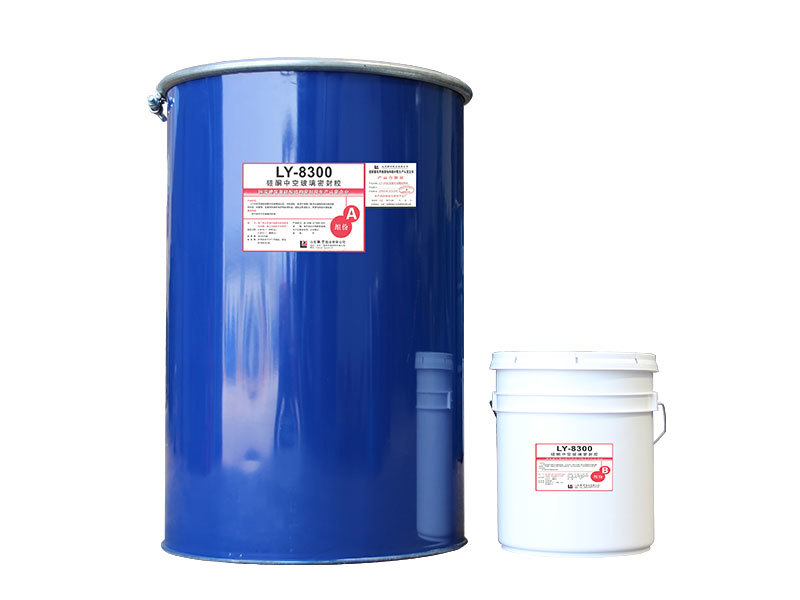
Two Component Structural Silicone Sealant is a specialized adhesive designed to provide high-performance bonding and sealing solutions in various applications. This type of sealant consists of two components—a base and a curing agent—that must be mixed together before application. It offers several advantages, making it a preferred choice in the construction and manufacturing sectors.
One of the standout properties of Two Component Structural Silicone Sealant is its excellent adhesion to a wide range of substrates, including glass, metal, and plastics. This versatility allows it to be utilized in diverse applications, from bonding glass panels in facades to sealing joints in industrial machinery. The ability to form strong, durable bonds makes it an ideal choice for structural applications that require long-lasting performance.
In addition to its superior adhesion, this sealant exhibits exceptional weather resistance. It can withstand harsh environmental conditions, including UV exposure, temperature fluctuations, and moisture. This makes it suitable for both indoor and outdoor applications, ensuring reliability even in challenging environments.
Moreover, Two Component Structural Silicone Sealant maintains its flexibility after curing. This property is crucial for applications that may experience movement or stress over time. The flexibility helps to absorb shocks and vibrations, preventing potential failures in the bond and ensuring that the seal remains intact.
Application of this sealant typically requires precise mixing of the two components to achieve optimal performance. Professionals must follow manufacturer guidelines for the mixing ratio and curing time, which can vary depending on specific formulations. It is essential to ensure that the surfaces being bonded are clean and free of contaminants to achieve the best adhesion.
Safety is another important aspect to consider when working with Two Component Structural Silicone Sealant. Users should always refer to the Material Safety Data Sheet (MSDS) for information on handling, storage, and disposal. Wearing appropriate personal protective equipment (PPE) such as gloves and masks is recommended to minimize exposure to chemicals.
Overall, Two Component Structural Silicone Sealant is a reliable and effective solution for various bonding and sealing needs in the adhesive industry. Its unique properties make it a go-to choice for structural applications, ensuring durability, flexibility, and resistance to environmental factors. Understanding its characteristics and proper application techniques can greatly benefit professionals looking to optimize their projects.
Relevant News

ADD:Shandong province Linqu County East Industrial park.
Service Hotline: +86-186-6068-7979
E-mail:zhangwei@ly-siliconesealant.com
WEBSITE:https://www.shandonglianyu.com
Business license
Copyright © Shandong Lianyu Adhesive Industry Co., Ltd.