
Unlocking the Benefits of Two Component Silicone Sealant for Industrial Applications
Upload Time:
2024-10-05
Two Component Silicone Sealant is a specialized adhesive that has garnered significant attention in the chemical and adhesive sectors due to its unique properties and versatility. Comprising two components—typically a silicone base and a curing agent—this sealant distinguishes itself from one-component alternatives by offering enhanced durability and performance under various conditions. The prima
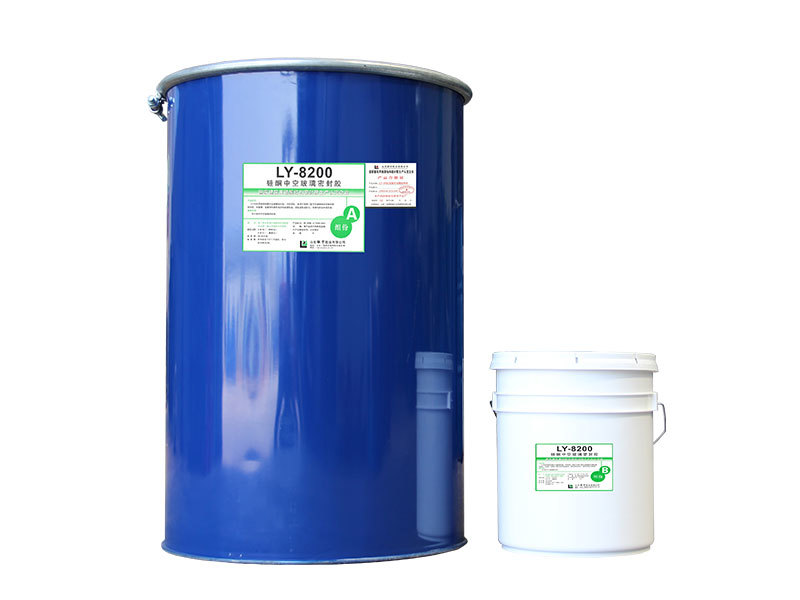
Two Component Silicone Sealant is a specialized adhesive that has garnered significant attention in the chemical and adhesive sectors due to its unique properties and versatility. Comprising two components—typically a silicone base and a curing agent—this sealant distinguishes itself from one-component alternatives by offering enhanced durability and performance under various conditions.
The primary advantage of Two Component Silicone Sealant lies in its excellent resistance to extreme temperatures, moisture, and chemicals. This makes it particularly suitable for applications in automotive, aerospace, construction, and electronic industries, where reliability is paramount. Once mixed, the components initiate a curing process that transforms the liquid sealant into a robust elastic material, forming a reliable bond that can withstand mechanical stress and environmental strains.
One notable property of Two Component Silicone Sealant is its flexibility, which allows it to accommodate movement and vibrations without compromising the integrity of the bond. This feature is essential in applications like structural glazing or sealing joints in construction, where materials may expand and contract due to temperature fluctuations. Additionally, its waterproof nature makes it ideal for sealing windows, doors, and other areas prone to moisture ingress.
Another significant aspect is the adhesion strength of Two Component Silicone Sealant. This sealant adheres well to a variety of substrates, including glass, metal, ceramics, and plastics. This broad compatibility enhances its usability across different sectors and projects, making it a preferred choice for many professionals.
Moreover, the formulation of Two Component Silicone Sealant can be tailored to meet specific requirements. By adjusting the composition of the components, manufacturers can produce sealants with varying cure times, viscosities, and colors, thus allowing for customization based on the particular needs of a project.
When working with Two Component Silicone Sealant, it is crucial to follow proper mixing and application procedures to ensure optimal performance. Professionals should take care to accurately measure and mix the components according to the manufacturer's guidelines, as improper ratios can affect the curing process and bond strength.
In conclusion, Two Component Silicone Sealant is a powerful tool in the arsenal of industrial adhesives. Its exceptional resistance, flexibility, and adhesion properties make it suitable for a wide range of applications, from construction to electronics. Understanding its benefits and proper handling can help professionals leverage this versatile material effectively in their projects, ensuring long-lasting and reliable results.
Relevant News

ADD:Shandong province Linqu County East Industrial park.
Service Hotline: +86-186-6068-7979
E-mail:zhangwei@ly-siliconesealant.com
WEBSITE:https://www.shandonglianyu.com
Business license
Copyright © Shandong Lianyu Adhesive Industry Co., Ltd.