
The Ultimate Guide to Using Two Component Silicone Sealant
Upload Time:
2024-09-20
The Ultimate Guide to Using Two Component Silicone Sealant Table of Contents Introduction to Two Component Silicone Sealant What is Two Component Silicone Sealant? Benefits of Using Two Component Silicone Sealant Applications of Two Component Silicone Sealant How to Choose the Right Two Component Silicone Sealant Step-by-Step Guide: How to Apply Two Component Silicone
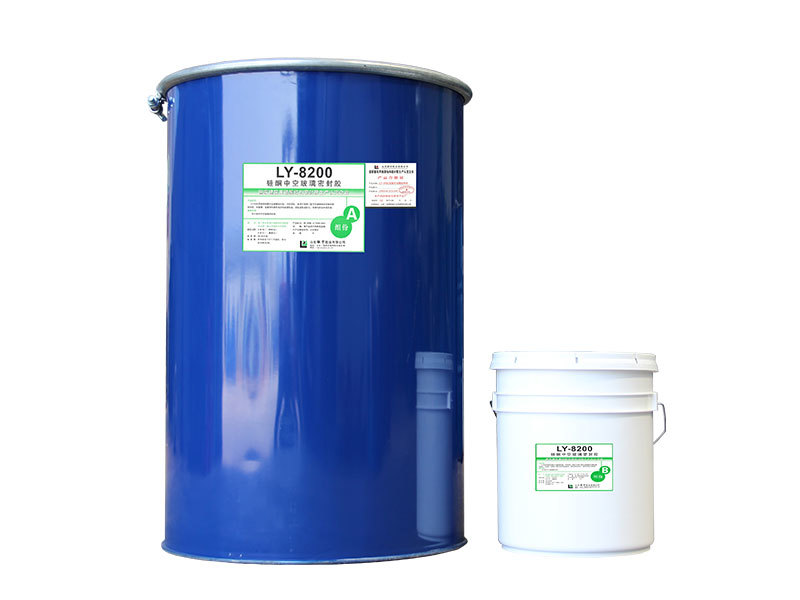
The Ultimate Guide to Using Two Component Silicone Sealant
Table of Contents
- Introduction to Two Component Silicone Sealant
- What is Two Component Silicone Sealant?
- Benefits of Using Two Component Silicone Sealant
- Applications of Two Component Silicone Sealant
- How to Choose the Right Two Component Silicone Sealant
- Step-by-Step Guide: How to Apply Two Component Silicone Sealant
- Maintenance and Cleaning of Silicone Sealant
- Common Issues with Two Component Silicone Sealant and Solutions
- Frequently Asked Questions
- Conclusion
Introduction to Two Component Silicone Sealant
Two-component silicone sealants are increasingly popular in both industrial and domestic applications due to their superior bonding properties and durability. These sealants consist of two parts: a base and a hardener, which, when mixed, create a robust seal that is resistant to moisture, temperature fluctuations, and a variety of chemicals.
In this guide, we will explore the features, benefits, and applications of two-component silicone sealants, ensuring you have all the information you need to use them effectively in your projects.
What is Two Component Silicone Sealant?
Two-component silicone sealant is a versatile adhesive composed of two distinct components. The first component, the silicone polymer, provides flexibility and durability, while the second component, the curing agent or hardener, facilitates the transformation from a paste to a solid seal upon mixing. This combination results in a product that offers excellent adhesion, elasticity, and resistance to aging and environmental factors.
When properly mixed and cured, two-component silicone sealants form a strong bond on various substrates, including glass, metal, plastic, and ceramic. This makes them ideal for applications in construction, automotive, and manufacturing industries.
Benefits of Using Two Component Silicone Sealant
Using two-component silicone sealant offers several advantages that make it a preferred choice for many applications:
1. Superior Adhesion
Two-component silicone sealants exhibit exceptional bonding properties, which ensures that they adhere strongly to a variety of surfaces. This is particularly beneficial in demanding environments where standard sealants may fail.
2. Resistance to Temperature Fluctuations
These sealants can withstand extreme temperatures, making them suitable for use in both hot and cold environments. Their ability to maintain flexibility under varying conditions prevents cracking and separation.
3. Moisture and Chemical Resistance
Two-component silicone sealants are inherently resistant to water and a wide range of chemicals, making them ideal for applications in kitchens, bathrooms, and industrial settings.
4. Durability and Longevity
Once cured, these sealants exhibit excellent durability, providing long-lasting protection against the elements. They resist UV rays, mold, and mildew, ensuring that your projects remain intact over time.
5. Versatility
Available in various formulations, colors, and viscosities, two-component silicone sealants can be tailored to meet specific application requirements, from construction to automotive repairs.
Applications of Two Component Silicone Sealant
The versatility of two-component silicone sealants allows them to be utilized in a wide array of applications:
1. Construction and Building
In the construction industry, two-component silicone sealants are used for sealing joints in buildings, glazing applications, and waterproofing. Their ability to withstand structural movement makes them ideal for high-rise buildings and residential homes.
2. Automotive Industry
In vehicle manufacturing and repairs, these sealants provide effective bonding for windshields and other glass components, ensuring a secure fit and protection against leaks.
3. Electronics
Two-component silicone sealants are used in electronics to provide moisture and electrical insulation, protecting sensitive components from damage.
4. Marine Applications
In the marine industry, these sealants are employed for sealing decks, hulls, and fixtures, providing long-lasting protection against water intrusion and corrosion.
5. Plumbing
Two-component silicone sealants are widely used in plumbing applications to seal pipes, fittings, and fixtures, preventing leaks and ensuring system integrity.
How to Choose the Right Two Component Silicone Sealant
Selecting the appropriate silicone sealant for your project is crucial for achieving optimal results. Consider the following factors:
1. Project Requirements
Evaluate the specific needs of your project, including the materials involved, environmental conditions, and the required curing time.
2. Color and Finish
Choose a sealant that matches your aesthetic preferences. Two-component silicone sealants are available in various colors and finishes, allowing you to select one that complements your project.
3. Temperature Range
Ensure that the sealant you choose can withstand the temperature range required for your application, particularly in extreme environments.
4. Chemical Resistance
If your project involves exposure to chemicals, select a sealant that offers the necessary resistance to prevent degradation over time.
5. Cure Time
Consider the curing time required for the sealant, as this will impact your project timeline. Some applications may necessitate a faster curing sealant to meet deadlines.
Step-by-Step Guide: How to Apply Two Component Silicone Sealant
Applying two-component silicone sealant requires careful preparation and execution. Follow these steps for a successful application:
1. Gather Materials
Ensure you have the following materials: two-component silicone sealant, a caulking gun (if required), masking tape, a mixing tool, and a clean cloth.
2. Prepare the Surface
Clean the surfaces to be bonded thoroughly. Remove any dust, grease, or old sealant using an appropriate cleaner. This step is crucial for achieving maximum adhesion.
3. Mix the Sealant
Follow the manufacturer’s instructions to mix the silicone base and hardener in the correct proportions. Use a mixing tool to ensure a uniform consistency.
4. Apply Masking Tape
If necessary, apply masking tape around the areas to be sealed to create clean lines and prevent excess sealant from spreading.
5. Apply the Sealant
Use a caulking gun or a similar applicator to apply the mixed sealant evenly. Ensure you fill the joint or gap completely.
6. Smooth the Sealant
Using a clean tool or your finger, smooth the sealant to achieve a neat finish. Remove any excess sealant and carefully peel away the masking tape.
7. Allow to Cure
Follow the manufacturer’s instructions regarding curing time. Avoid disturbing the sealant during this period to ensure optimal performance.
Maintenance and Cleaning of Silicone Sealant
To maintain the integrity of your silicone sealant, regular cleaning and maintenance are essential:
1. Inspect Regularly
Check the sealant for any signs of wear, cracking, or discoloration. Address any issues promptly to prevent further damage.
2. Clean with Mild Soap
Use a mild soap solution and a soft cloth to clean the surface of the sealant. Avoid harsh chemicals that may degrade the silicone.
3. Reseal as Necessary
If you notice significant wear or damage, consider reapplying the sealant to maintain a watertight and airtight seal.
Common Issues with Two Component Silicone Sealant and Solutions
While two-component silicone sealants are reliable, issues may arise. Here are some common challenges and their solutions:
1. Poor Adhesion
If the sealant does not adhere properly, ensure that the surfaces were adequately cleaned and prepared. Reapply after correcting any surface issues.
2. Incomplete Curing
Incomplete curing can occur if the sealant is not mixed correctly. Always follow the mixing instructions to ensure proper curing.
3. Discoloration
Discoloration may result from exposure to sunlight or harsh chemicals. Use UV-resistant sealants for exterior applications to mitigate this issue.
Frequently Asked Questions
1. Can I use two-component silicone sealant outdoors?
Yes, two-component silicone sealants are suitable for outdoor use due to their resistance to UV light and weather conditions.
2. How long does it take for two-component silicone sealant to cure?
Curing time varies by product but typically ranges from 24 to 48 hours. Always refer to the manufacturer’s guidelines.
3. Can I paint over two-component silicone sealant?
Most two-component silicone sealants do not accept paint well due to their smooth surface. Check product specifications for paint compatibility.
4. What surfaces can I apply two-component silicone sealant to?
These sealants bond well to various surfaces, including glass, metal, plastic, and wood. Ensure the surface is clean and dry before application.
5. Is two-component silicone sealant resistant to mold and mildew?
Yes, many two-component silicone sealants contain mold and mildew inhibitors, making them ideal for moist environments such as bathrooms and kitchens.
Conclusion
Two-component silicone sealant is an essential product for a variety of applications, providing outstanding adhesion, flexibility, and durability. By understanding its benefits, applications, and proper usage techniques, you can ensure successful outcomes in your projects. Whether you are a professional contractor or a DIY enthusiast, leveraging the power of two-component silicone sealants will enhance the quality and longevity of your work. Be informed, choose wisely, and seal with confidence!
Relevant News

ADD:Shandong province Linqu County East Industrial park.
Service Hotline: +86-186-6068-7979
E-mail:zhangwei@ly-siliconesealant.com
WEBSITE:https://www.shandonglianyu.com
Business license
Copyright © Shandong Lianyu Adhesive Industry Co., Ltd.