
Understanding Acrylic Caulking Sealant: A Comprehensive Guide for Professionals
Upload Time:
2024-09-15
Acrylic caulking sealant is a widely used material in the construction and home improvement industries, offering a versatile solution for sealing gaps and joints in various applications. It is primarily known for its water-based formulation, which makes it easy to work with and clean up. This type of sealant is characterized by its excellent adhesion properties, flexibility, and paintability, maki
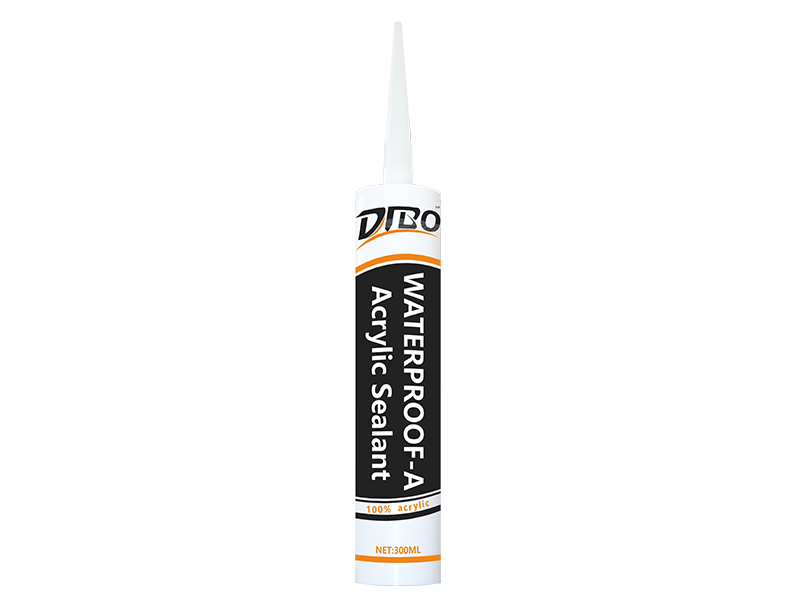
Acrylic caulking sealant is a widely used material in the construction and home improvement industries, offering a versatile solution for sealing gaps and joints in various applications. It is primarily known for its water-based formulation, which makes it easy to work with and clean up. This type of sealant is characterized by its excellent adhesion properties, flexibility, and paintability, making it an ideal choice for both indoor and outdoor projects.
One of the key advantages of acrylic caulking sealant is its ability to form a durable bond with a variety of substrates, including wood, drywall, masonry, and metal. This versatility enables professionals to use it in numerous applications, such as sealing windows and doors, filling cracks and gaps in walls, and even in plumbing fixtures. Moreover, its low odor and non-toxic formulation make it suitable for use in residential areas and spaces where people are present.
In addition to its adhesion qualities, acrylic caulking sealant is also highly elastic, allowing it to accommodate slight movements in building materials without cracking or losing its sealing properties. This elasticity is particularly beneficial in environments where temperature fluctuations can cause materials to expand and contract. The sealant's ability to maintain a strong seal under these conditions ensures long-lasting protection against moisture and air infiltration.
Another important feature of acrylic caulking sealant is its paintability. Once fully cured, it can be painted over with water-based or oil-based paints, allowing professionals to achieve a seamless finish that blends with the surrounding surfaces. This feature is particularly advantageous in aesthetic applications, where achieving a clean look is essential.
It's also worth mentioning that acrylic caulking sealants are often more cost-effective compared to silicone-based alternatives. This economic advantage, coupled with its performance characteristics, makes it a popular choice for both contractors and DIY enthusiasts.
When selecting an acrylic caulking sealant, professionals should consider factors such as curing time, viscosity, and specific formulations designed for particular applications (e.g., kitchen and bath formulations that are designed to withstand moisture). Ensuring that you choose the right product for your specific needs will enhance the performance and longevity of your sealing projects.
In conclusion, acrylic caulking sealant is an invaluable tool in the arsenal of any professional in the adhesive industry. Its versatility, ease of use, and excellent performance make it a go-to choice for a variety of sealing applications. By understanding its properties and benefits, professionals can make informed choices that lead to successful project outcomes.
Relevant News

ADD:Shandong province Linqu County East Industrial park.
Service Hotline: +86-186-6068-7979
E-mail:zhangwei@ly-siliconesealant.com
WEBSITE:https://www.shandonglianyu.com
Business license
Copyright © Shandong Lianyu Adhesive Industry Co., Ltd.