
Understanding Acrylic Caulking Sealant: A Versatile Solution for Various Applications
Upload Time:
2024-09-09
Acrylic caulking sealant is a water-based compound primarily composed of acrylic polymer emulsions. Known for its flexibility and durability, it is widely recognized for its ease of application and clean-up. This type of sealant is often chosen for interior and exterior projects due to its excellent adhesion properties to a variety of surfaces, including wood, masonry, and drywall. One of the sta
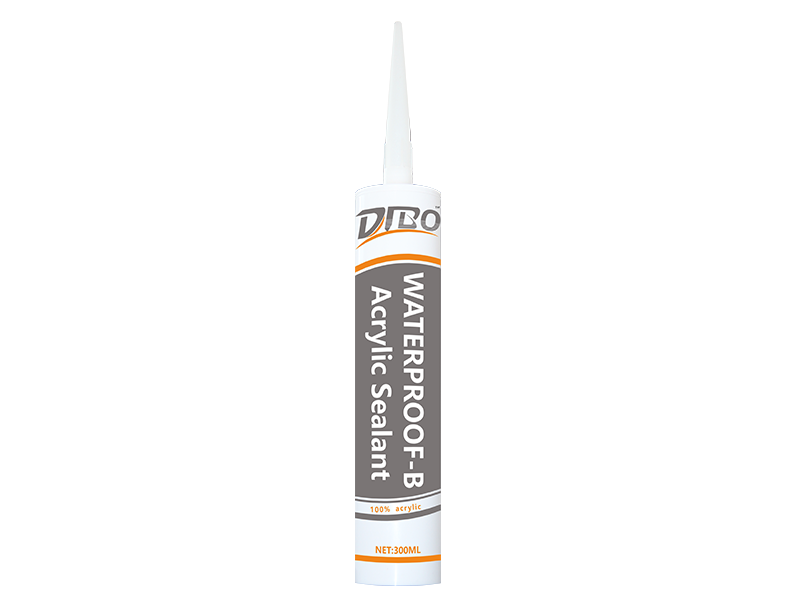
Acrylic caulking sealant is a water-based compound primarily composed of acrylic polymer emulsions. Known for its flexibility and durability, it is widely recognized for its ease of application and clean-up. This type of sealant is often chosen for interior and exterior projects due to its excellent adhesion properties to a variety of surfaces, including wood, masonry, and drywall.
One of the standout features of acrylic caulking sealant is its paintability. Unlike some silicone-based sealants that can repel paint, acrylic sealants can be easily painted over once they are cured. This quality makes them an ideal choice for finishing touches in home renovation or construction, allowing for seamless color integration between different materials.
In addition to its aesthetic benefits, acrylic caulking sealant offers significant functional advantages. Its flexibility allows it to accommodate minor movements in building materials, which is crucial in preventing cracks or gaps from forming over time. Moreover, it exhibits good weather resistance, making it suitable for outdoor applications where it may be exposed to various environmental factors.
When using acrylic caulking sealant, it is important to prepare the surfaces properly. Clean the area thoroughly to remove any dust, dirt, or grease, and ensure that the surfaces are dry before application. This prepares a solid foundation for the sealant, enhancing its adhesion and overall performance.
For application, a caulking gun is typically used to dispense the sealant efficiently. It is essential to apply the sealant in a continuous bead to ensure a uniform seal. Once applied, tools like a putty knife or a wet finger can help smooth out the bead for a professional finish.
Curing times can vary, but generally, acrylic caulking sealant dries to the touch within a few hours and can be fully cured in about 24 hours. During this curing period, it is crucial to avoid exposing the sealant to water or excessive humidity to achieve optimal results.
In summary, acrylic caulking sealant is a reliable choice for anyone looking to achieve a strong, durable, and visually appealing seal. Its versatility across various materials and environments makes it a go-to solution for both professional contractors and DIY enthusiasts alike. Understanding its properties and application techniques ensures that you can leverage this valuable material effectively in your projects.
Relevant News

ADD:Shandong province Linqu County East Industrial park.
Service Hotline: +86-186-6068-7979
E-mail:zhangwei@ly-siliconesealant.com
WEBSITE:https://www.shandonglianyu.com
Business license
Copyright © Shandong Lianyu Adhesive Industry Co., Ltd.