
The Science Behind Acrylic Caulking Sealant: What You Need to Know
Upload Time:
2024-09-06
The Science Behind Acrylic Caulking Sealant: What You Need to Know Acrylic caulking sealant is a versatile and widely used adhesive in a variety of construction and home improvement projects. Understanding its composition, applications, and benefits is crucial for anyone looking to use it effectively. In this article, we delve into the science behind acrylic caulking sealant, helping you make info
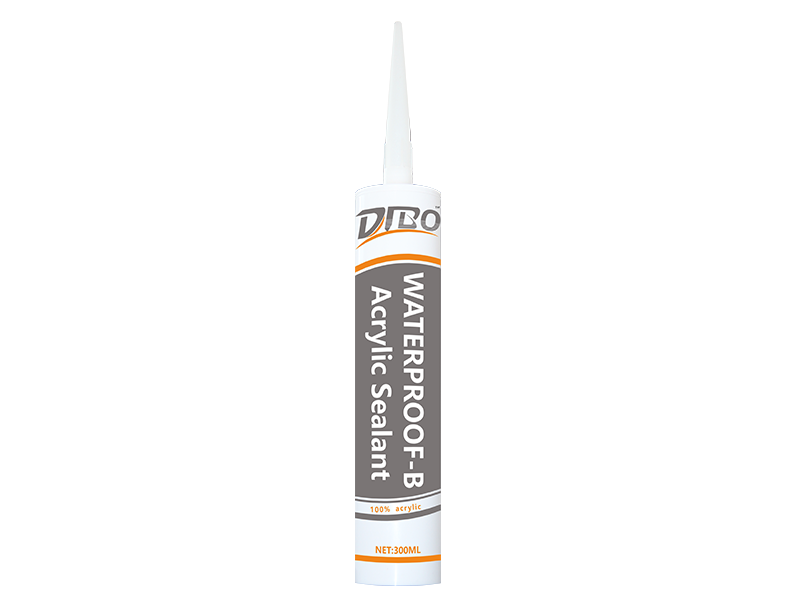
The Science Behind Acrylic Caulking Sealant: What You Need to Know
Acrylic caulking sealant is a versatile and widely used adhesive in a variety of construction and home improvement projects. Understanding its composition, applications, and benefits is crucial for anyone looking to use it effectively. In this article, we delve into the science behind acrylic caulking sealant, helping you make informed decisions for your sealing needs.
Table of Contents
- What is Acrylic Caulking Sealant?
- Chemical Composition of Acrylic Caulking Sealant
- Properties and Benefits of Acrylic Caulking Sealant
- Applications of Acrylic Caulking Sealant
- How to Apply Acrylic Caulking Sealant
- Common Mistakes to Avoid When Using Acrylic Caulking Sealant
- Maintaining and Repairing Caulking
- Frequently Asked Questions
- Conclusion
What is Acrylic Caulking Sealant?
Acrylic caulking sealant is a silicone-based product that is primarily used for sealing gaps and joints in various construction settings. Known for its flexibility and ease of application, this sealant dries to a flexible, paintable finish. It is ideal for both interior and exterior applications.
Chemical Composition of Acrylic Caulking Sealant
The primary ingredient of acrylic caulking is polyacrylate, a synthetic polymer that provides excellent adhesion and flexibility. Other components include water, fillers, and various additives that enhance the sealant's properties. The water content enables easy application and quick drying, while the fillers ensure durability and strength.
Understanding the Polymerization Process
The effectiveness of acrylic caulking sealant lies in its polymerization process. When applied, the water in the formulation begins to evaporate, allowing the polymers to bond tightly. This process creates a solid, flexible seal that can withstand movement without cracking or peeling.
Properties and Benefits of Acrylic Caulking Sealant
Acrylic caulking sealant offers numerous advantages, making it a preferred choice for many applications. Here are some key properties:
1. Flexibility
One of the standout properties of acrylic caulking is its flexibility. This allows it to accommodate slight movements in the surfaces it seals, which is particularly important in buildings subjected to temperature variations.
2. Paintability
Acrylic caulking is easily paintable, which allows for seamless blending with your home’s aesthetics. This feature is especially beneficial for interior applications where the caulk may be visible.
3. Low Odor
Unlike some other sealants, acrylic caulking has a low odor, making it safer and more pleasant to use in enclosed spaces.
4. Water Resistance
While not entirely waterproof, acrylic caulking provides good resistance to moisture, making it suitable for kitchens and bathrooms.
5. Ease of Application
Acrylic caulking can be applied using a caulking gun, and it can be smoothed easily with a finger or tool, allowing for a clean finish.
Applications of Acrylic Caulking Sealant
The versatility of acrylic caulking means it can be used in a variety of settings:
1. Interior Sealing
It is commonly used for filling gaps around windows, doors, and trim. This helps improve energy efficiency by reducing drafts and heat loss.
2. Bathroom and Kitchen Use
Acrylic caulking is suitable for sealing around sinks, tubs, and countertops, providing a moisture-resistant barrier that prevents mold and mildew growth.
3. Exterior Applications
Outside, it is effective for sealing gaps in siding and masonry. It can also be used to fill cracks in concrete surfaces, helping to extend their lifespan.
How to Apply Acrylic Caulking Sealant
Applying acrylic caulking sealant can be straightforward if you follow the right steps:
1. Prepare the Surface
Ensure the surface is clean, dry, and free from dust or old caulk. Use a scraper or utility knife to remove any existing sealant.
2. Cut the Nozzle
Cut the tip of the caulking tube at a 45-degree angle to create a bead of the desired size, typically between 1/8 to 1/4 inches.
3. Apply Even Pressure
Using a caulking gun, apply the sealant evenly along the joint. Maintain consistent pressure to avoid gaps or bubbles.
4. Smooth the Caulk
Use a wet finger or tool to smooth the surface of the caulk, ensuring a tight seal and a clean finish.
5. Allow to Cure
Let the caulk cure according to the manufacturer’s instructions, which usually takes 24 hours for full drying and sealing.
Common Mistakes to Avoid When Using Acrylic Caulking Sealant
To ensure optimal results, avoid these common pitfalls:
1. Not Preparing the Surface
Failing to clean and dry the surface can lead to poor adhesion and reduced effectiveness.
2. Overusing Caulk
Applying too much caulk can cause it to sag or crack as it dries. Use only as much as needed to seal the gap.
3. Ignoring Temperature Conditions
Applying caulk in extreme temperatures can affect its curing process and durability. Always check the manufacturer’s guidelines.
Maintaining and Repairing Caulking
To extend the life of your acrylic caulking sealant, regular maintenance is necessary. Here are some tips:
1. Inspect Regularly
Check your sealed areas periodically for cracks or gaps. Early detection can prevent more extensive repairs later.
2. Clean Gaps Before Reapplication
When repairing caulking, ensure you remove the old caulk completely and clean the area before applying new sealant.
3. Reapply as Needed
Depending on exposure to the elements and wear, you may need to reapply caulking every few years to maintain effectiveness.
Frequently Asked Questions
1. Can I paint over acrylic caulking sealant?
Yes, acrylic caulking is paintable. Allow it to dry fully before applying paint for best results.
2. How long does acrylic caulking take to dry?
Drying times vary by product, but most acrylic caulking sealants are dry to the touch within 1 to 2 hours and fully cured in about 24 hours.
3. Is acrylic caulking suitable for outdoor use?
Yes, acrylic caulking is suitable for outdoor applications, but ensure it is rated for exterior use to withstand weather conditions.
4. What surfaces can acrylic caulking be applied to?
Acrylic caulking adheres well to various surfaces, including wood, metal, glass, and masonry.
5. Can I use acrylic caulking in a shower?
While acrylic caulking is moisture-resistant, it is recommended to use a specific bathroom sealant for areas with direct water exposure, such as showers.
Conclusion
Acrylic caulking sealant is a powerful tool in both construction and home improvement projects. Its unique properties, such as flexibility, paintability, and ease of use, make it an ideal choice for a range of applications. By understanding the science behind acrylic caulking and following best practices for application and maintenance, you can ensure durable and effective seals that enhance the longevity and appearance of your spaces. Whether you are a professional contractor or a DIY enthusiast, mastering the use of acrylic caulking sealant is a valuable skill that can lead to impressive results in any project.
Relevant News

ADD:Shandong province Linqu County East Industrial park.
Service Hotline: +86-186-6068-7979
E-mail:zhangwei@ly-siliconesealant.com
WEBSITE:https://www.shandonglianyu.com
Copyright © Shandong Lianyu Adhesive Industry Co., Ltd.