
Understanding Two Component Silicone Sealant: Applications and Benefits
Upload Time:
2024-08-28
Two Component Silicone Sealant is a highly versatile adhesive used across numerous industries for its superior bonding capabilities and flexibility. Composed of two separate components that cure upon mixing, this sealant offers enhanced performance compared to single-component options. The main components typically consist of a silicone polymer and a curing agent, which, when combined, initiate a
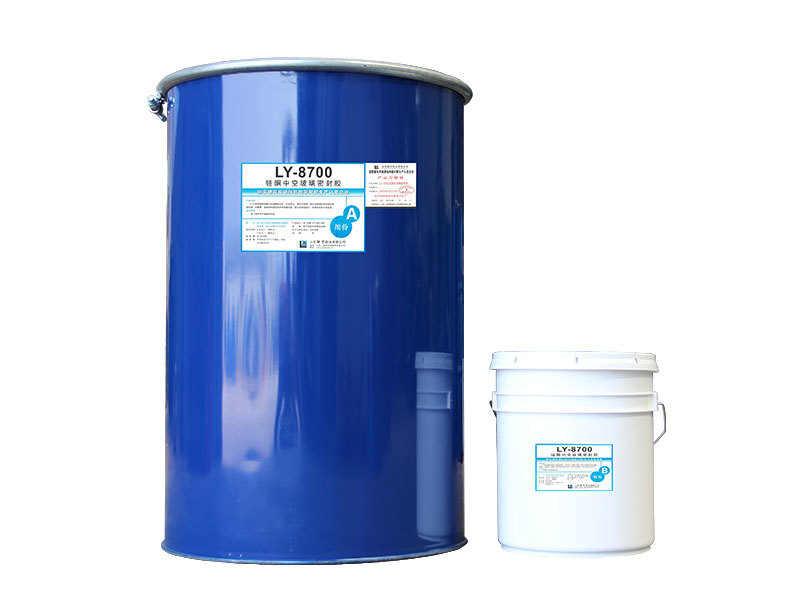
Two Component Silicone Sealant is a highly versatile adhesive used across numerous industries for its superior bonding capabilities and flexibility. Composed of two separate components that cure upon mixing, this sealant offers enhanced performance compared to single-component options. The main components typically consist of a silicone polymer and a curing agent, which, when combined, initiate a chemical reaction leading to the formation of a robust elastic bond.
One of the primary advantages of Two Component Silicone Sealant is its excellent temperature resistance. It can withstand extreme temperatures ranging from -60°C to 250°C, making it ideal for applications where thermal stability is crucial. This property makes it a popular choice in automotive, aerospace, and industrial manufacturing, where components are exposed to varying temperatures and demanding conditions.
Another significant benefit of this sealant is its impressive adhesion to a wide variety of substrates, including glass, metal, plastic, and ceramics. This versatility allows it to be used in diverse applications, from sealing windows and doors to bonding components in electronic devices. Its ability to adhere to both porous and non-porous materials further enhances its applicability across different sectors.
Moreover, Two Component Silicone Sealant is known for its elasticity and flexibility, allowing it to accommodate movement and vibration without compromising the integrity of the bond. This characteristic is particularly important in construction and infrastructure projects, where materials may expand, contract, or shift due to environmental conditions. The silicone sealant’s flexibility helps prevent cracking and ensures long-lasting performance.
In addition to its mechanical properties, this type of sealant also offers excellent resistance to weathering, UV rays, and moisture. This makes it suitable for outdoor applications, such as sealing roofs, facades, and other structures exposed to harsh environmental factors. Its durability ensures that the sealant retains its performance and appearance over time, reducing the need for frequent maintenance.
When using Two Component Silicone Sealant, it is essential to follow the manufacturer’s guidelines for mixing and application to ensure optimal performance. Typically, the components are mixed in a specified ratio, after which they must be applied within a set timeframe to allow for proper curing.
In conclusion, Two Component Silicone Sealant stands out for its unique combination of strength, flexibility, and resistance to various environmental factors. Whether for industrial applications or DIY projects, this sealant provides a reliable solution for bonding and sealing, making it an essential material in the adhesive industry. Understanding its properties and applications will empower users to leverage its capabilities effectively, ensuring successful outcomes in their projects.
Relevant News

ADD:Shandong province Linqu County East Industrial park.
Service Hotline: +86-186-6068-7979
E-mail:zhangwei@ly-siliconesealant.com
WEBSITE:https://www.shandonglianyu.com
Business license
Copyright © Shandong Lianyu Adhesive Industry Co., Ltd.